All articles
Short-Let vs Long-Let in Leicester: Which Earns More?

Short-lets can earn more, but they cost more to run. Here's how the two compare.
| Short-let | Long-let | |
|---|---|---|
| Income potential | Higher gross income in strong locations | Steady, predictable monthly rent |
| Running costs | Cleaning, linen, utilities, platform fees, management | Lower; tenant usually pays bills |
| Effort | High, unless professionally managed | Low once a tenant is in |
| Flexibility | Block out dates for your own use | Locked in for the tenancy |
| Wear and tear | Checked between every stay | Issues may go unseen for months |
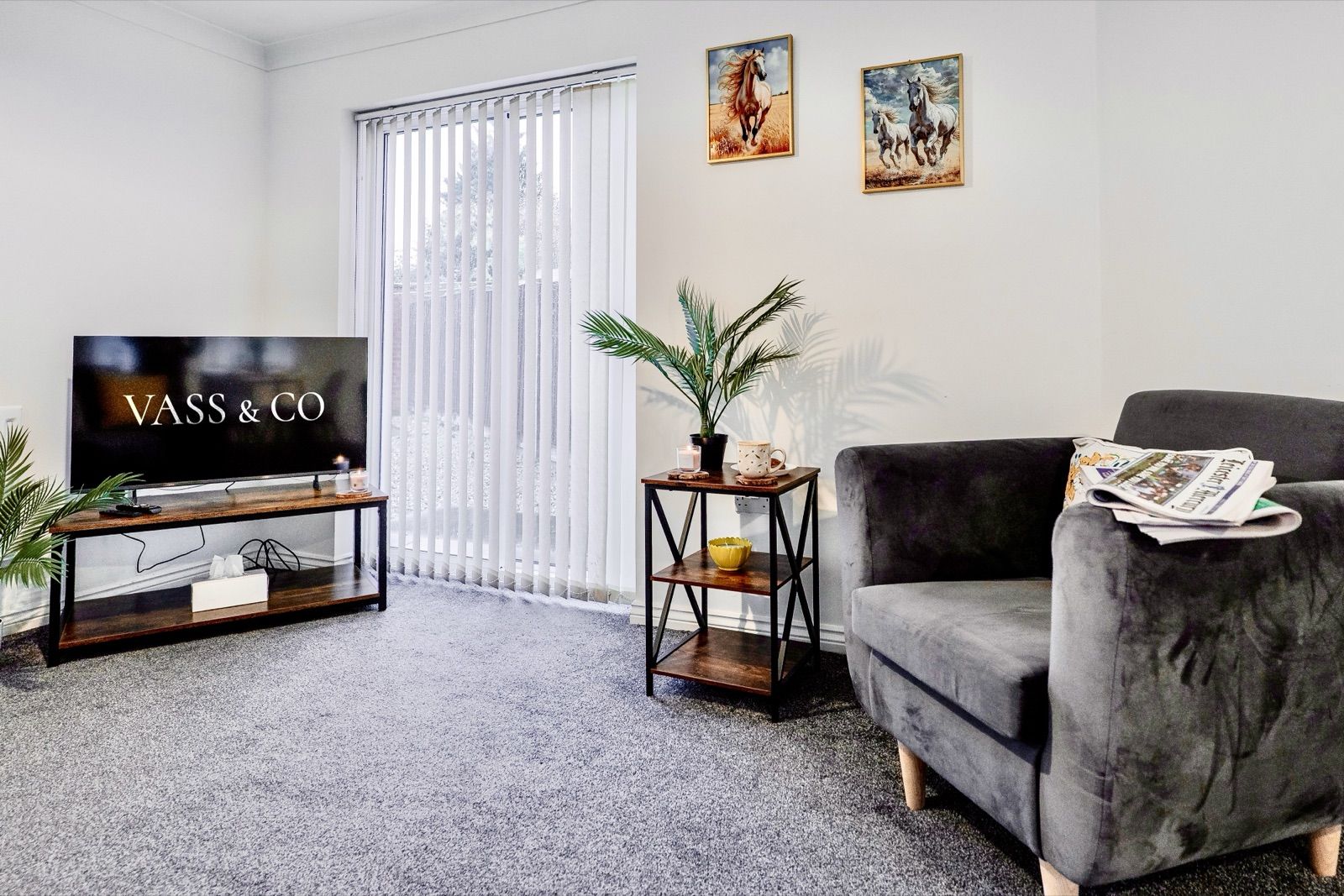
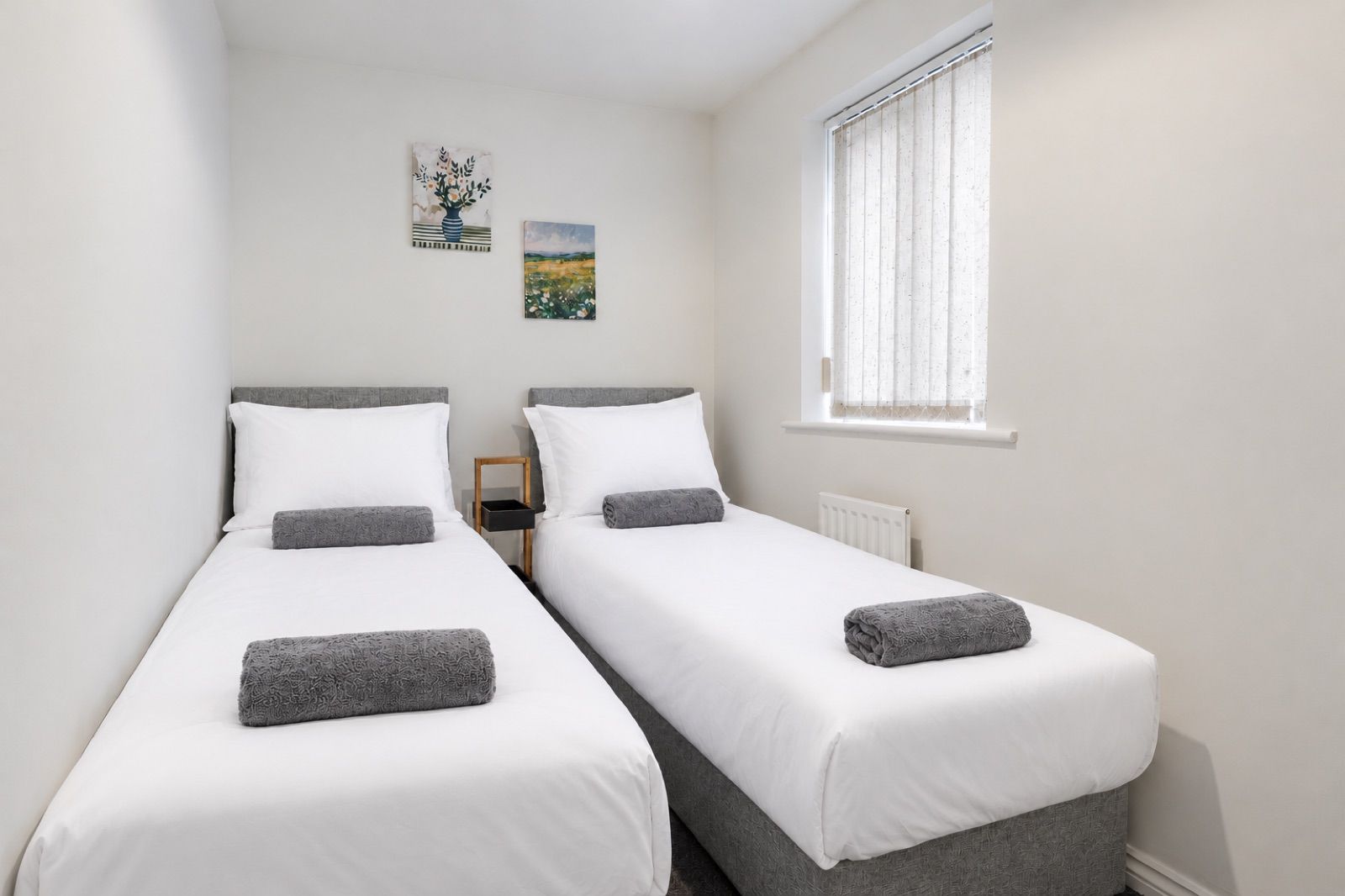
| Furnishing | Fully furnished and equipped | Often unfurnished |
| Income risk | Varies with occupancy and seasons | Arrears and void periods |
When short-letting wins
- The property is near strong demand, such as the hospitals, the stadiums, the universities or the M1.
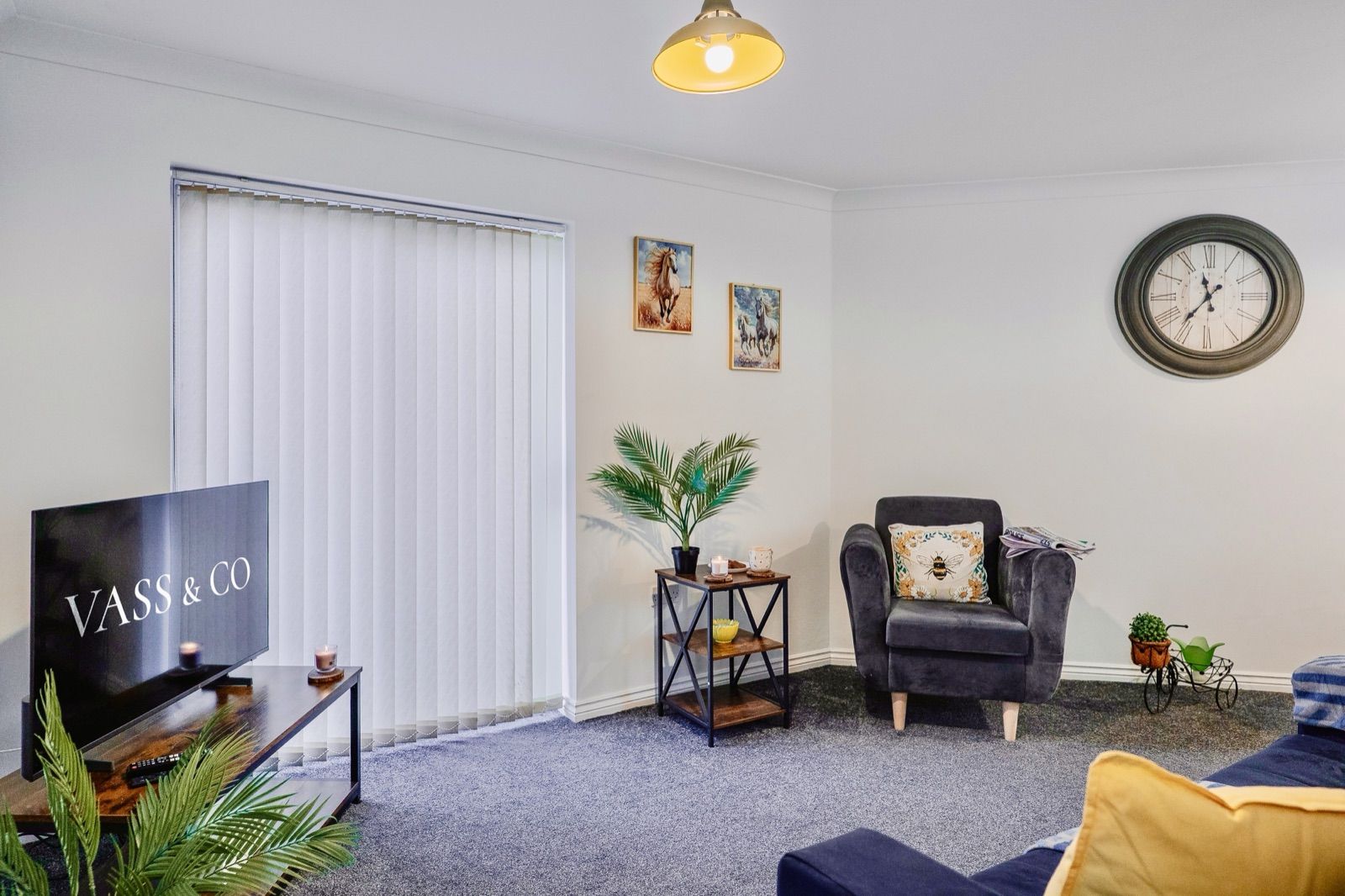
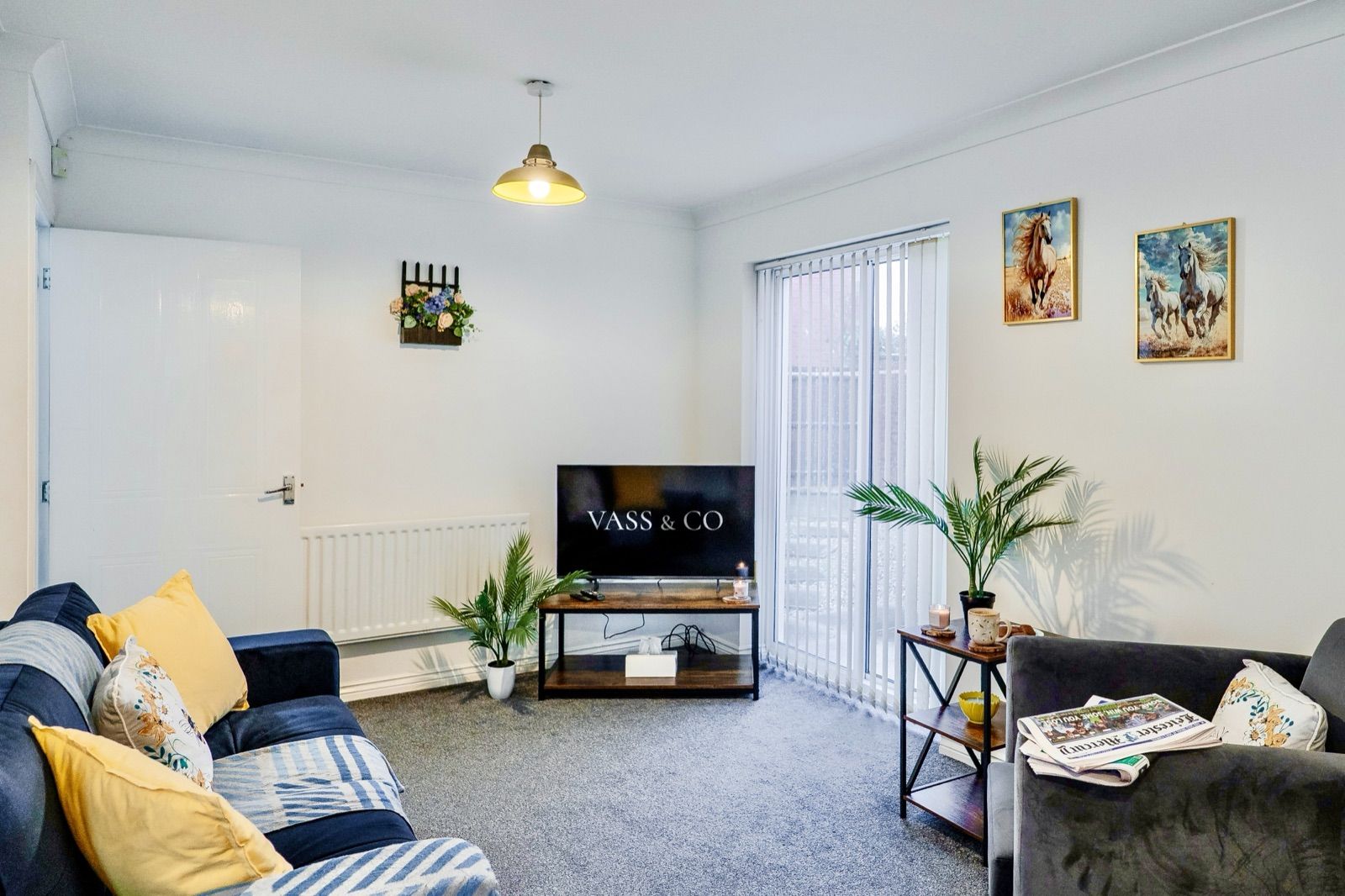
- It's a two-bed house suited to NHS staff, contractors and families.
- You want flexibility and are happy to invest in furnishings.
- Professional management keeps occupancy and reviews high.
When long-letting wins
- You want minimal involvement and predictable income.
- The property is far from work, transport and amenities.
- Your mortgage or insurance doesn't permit short-letting.
Things that have changed
- Tax – the furnished holiday lettings tax regime ended in April 2025, so short-lets are now taxed much like other residential lets. Speak to an accountant about your situation.
- Tenancy reform – the Renters' Rights Act is changing the rules for long-term tenancies, including ending Section 21 "no-fault" evictions. Some landlords are reviewing their options as a result.
Find out what your property could earn
Request a free income assessment and we'll give you an honest, side-by-side estimate.